


On Monday I wrote: “This week is Shorts + posts only: no new long until I name the next review.” By Wednesday I’d changed it: “W40 = OS/tracking rebuild: no new Short this week.”
Why the change?
It was Wednesday, I was coming home from dropping off my son at daycare. I get home, my wife asked me “what are you working on today?” I looked at my Obsidian vault and I was like “I don’t know, I’m not sure what I’m doing.” Then I decided to pivot my system. I decided to look into why it wasn’t working for me. I had too many touch points in my digital system. It was Obsidian, Apple Reminders, Apple Calendar, Mail, GitHub and two more repositories I needed to manage. That was just too much.
Why I moved
I started this system in cloud-video-pipeline on September 1, and on September 25 I moved away from it because the work from the repo to my Obsidian vault was complicated and I didn’t like that flow. It was too difficult to find what I was working on next. I switched because it was too confusing to get the information out of my head and into a system I could see and follow.
The claim: the operating system is the bottleneck
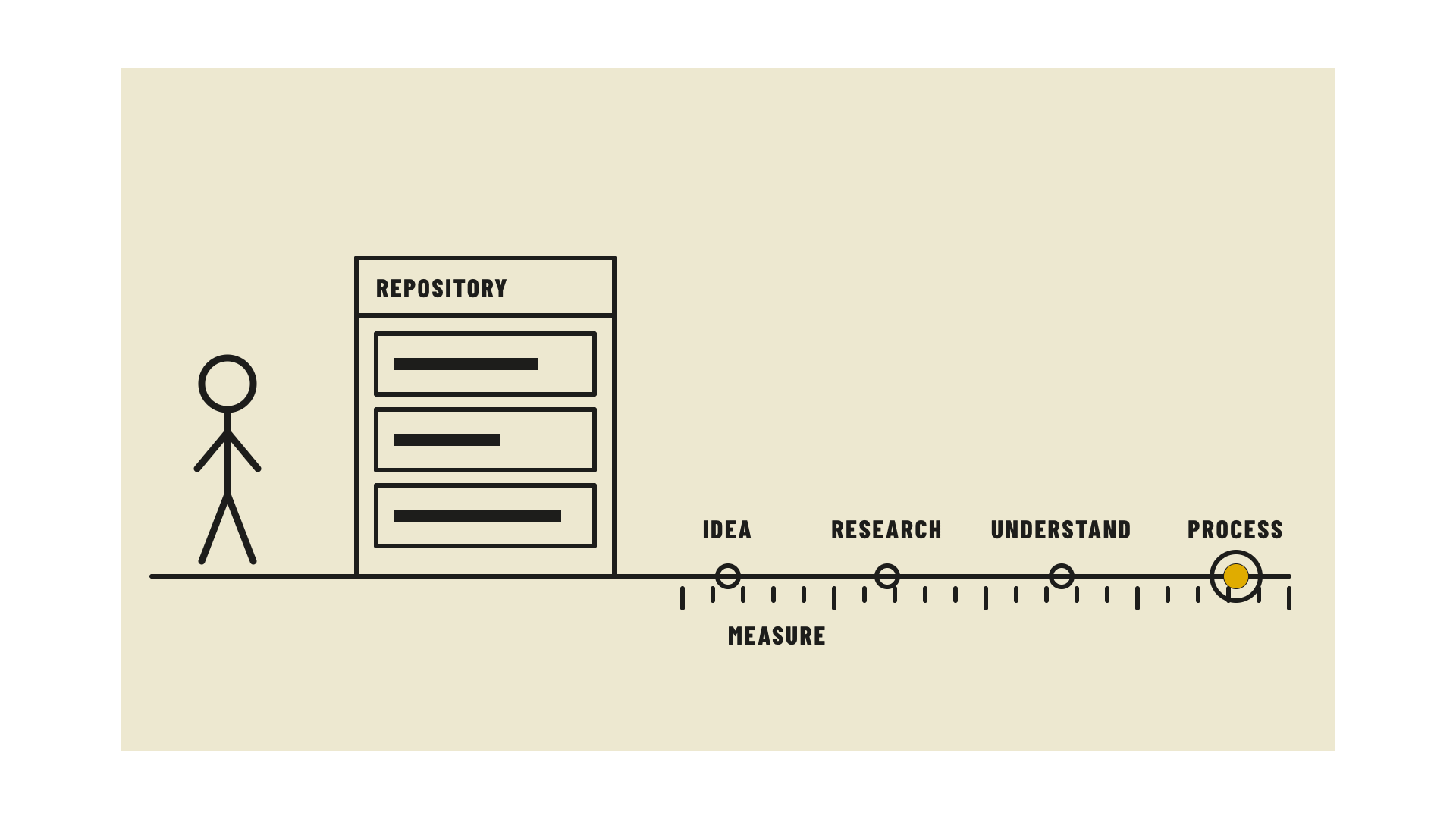
Your audience isn’t the bottleneck, your operating system is.
I thought about this because most often in my experience running a weekly demo at my previous company, it was never the audience. They knew what they wanted, expected to hear, and what to expect. It was the presenter, the person eager to share who needed to follow a system. To help them show up as well polished professionals, that they are.
What I built instead
Twenty-three pull requests merged across three repos. A new logo, which my wife and I worked on together. A website that matches what we want more closely. A nine-stage workflow for how I capture content, scale it, test it, review it, pressure it and build on top of it.
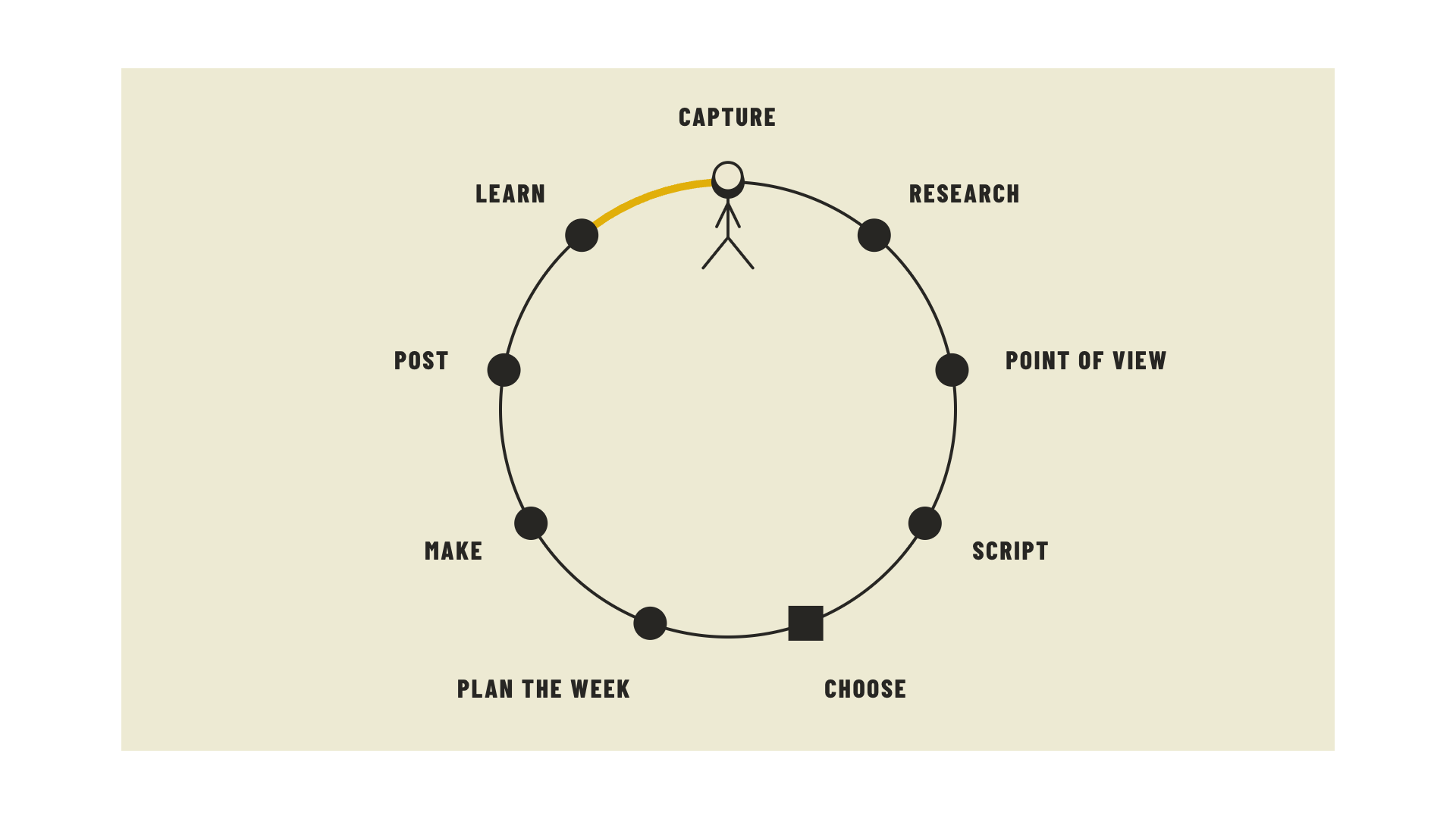
What surprised me the most was how fast I could pivot and change everything in my entire system, from the website to the repository to the ideas.
I also don’t have to write ideas down on paper in the moment, which can feel rude in some settings. I say a quick word or two into my device, lean on my capture system, and trust the process I’ve built to help me build on top of it. It’s no longer scary to have a bunch of ideas and not know where to put them. I’ll still carry a notebook or an iPad to jot something down in a pinch.
The clock
I timed myself on an iPhone timer, idea to publish.
Last week: 7 hours. A gear review. It was my first time learning Resolve, and I was using Claude.
This week: 3 hours 52 minutes. A weekly wrap-up, with Resolve already learned and a better understanding of the tools and what they can do.
These are two different jobs, so I’m not claiming the second is the same work done faster. Part of the gap is that I’d already learned the tool. What I can say: editing is getting faster, and the ideas are becoming clearer.
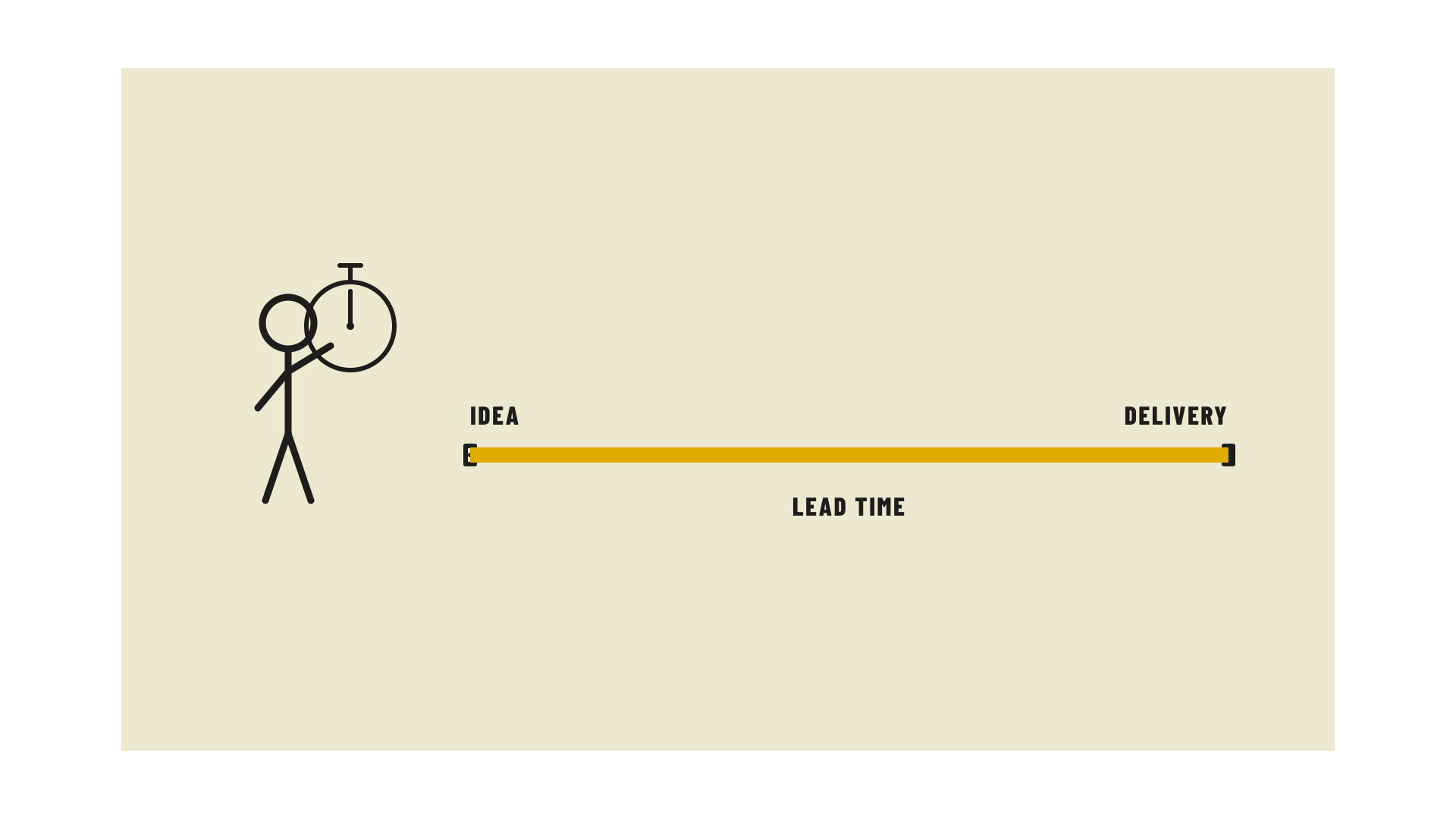
For me, it was about being able to measure myself and make sure that I’m holding myself to the same bar that I would hold anyone else to. If it can’t be measured by me and I’m not being strict on that, then I’m missing the point. That’s what I want to do: be honest in my claims and be truthful. It was proof to pressure test and stress test the system to make sure it was working as expected.
What I skipped, on the record
I skipped the week’s Short, Reel and TikTok, and the long. They are written on the board as skipped, on purpose. A missed deliverable stays as evidence, not fake success.
What I learned from the week prior to posting my first review was that learning a new tool is never easy, but with the help of AI, it’s something that you can do much faster. Understanding the basics, I think, of video editing and the fundamentals helped in that department. I also learned that just because a tool exists doesn’t mean you need to use it. It’s about helping you measure the outcome that you’re after. That’s more important. What I would do differently going into the next week is spend a little bit more time evaluating my skills and agents that I have set up in my current system. I would make sure that I have the right design for handing off tasks to different agents and building my human decision of what I want to focus on. I also learned that I want to get better at editing and faster editing. I also learned that I need to smile more on camera. I tend to be a little nervous for some reason, something that I was never like before. Now I think, because I’m doing this, there’s a little bit of nerves kicking in, but that’s something I’ll have to work on.
What I’m building: the muscle
What I want to post, and how I want to show up, is the new muscle I’m building. Writing, posting and testing my own system is the proof point.
Last week’s long and Short are here if you want the context: the Plaud long and the Plaud Short.
This week’s video: I skipped this week’s video on purpose. Here’s what I built instead.
What’s next
Starting October 5, I’m running a three-week test of the system, through October 25. I set two lines in advance. If a week runs over 110 minutes, I name the next rule change. If three weeks come in under 90 minutes with a long video posted, the narrow version of my hypothesis holds.
Next week I need to film, under a busy family week, not a quiet one. I’m refining the filming and editing process, and I’ll keep refining the research process in my repository.
Step my game up with getting more efficient at editing with Resolve. This week, I was able to edit the video using 40% of my Claude usage limit in one session of chatting. I also learned that I needed to get my mic timecode setup for better audio sync with my camera going forward.
Who this is for
This is for people who are struggling, who have ADHD, are super busy and can’t keep up with their system, and need a way to leverage AI effectively. If your system already works, you can ignore it.